
HERA Deep
Longer exposure.
Deeper questions.
Stay with the difficult question.
HERA Deep is a planned architecture for deep-field research: sustained investigation of harder, higher-value mathematical problems. It will devote more tokens and longer research windows to a smaller number of carefully chosen questions.
The emphasis shifts from covering ground to sustained investigation: revisiting an obstruction, developing a missing idea, and carrying a difficult argument through to completion.
Fewer, deeper investigations.
Focus on problems whose importance justifies a larger research commitment, beyond the short-window survey setting.
Time to develop an idea.
Allow longer reasoning trajectories and a larger inference budget. More resources provide room for exploration, not a guarantee of a solution.
The same standard of proof.
Longer exposure does not relax the requirements for correctness, originality, or an explicit account of what has and has not been established.
HERA Deep is a future research direction. This page describes its intended role, not an operating service or achieved performance.
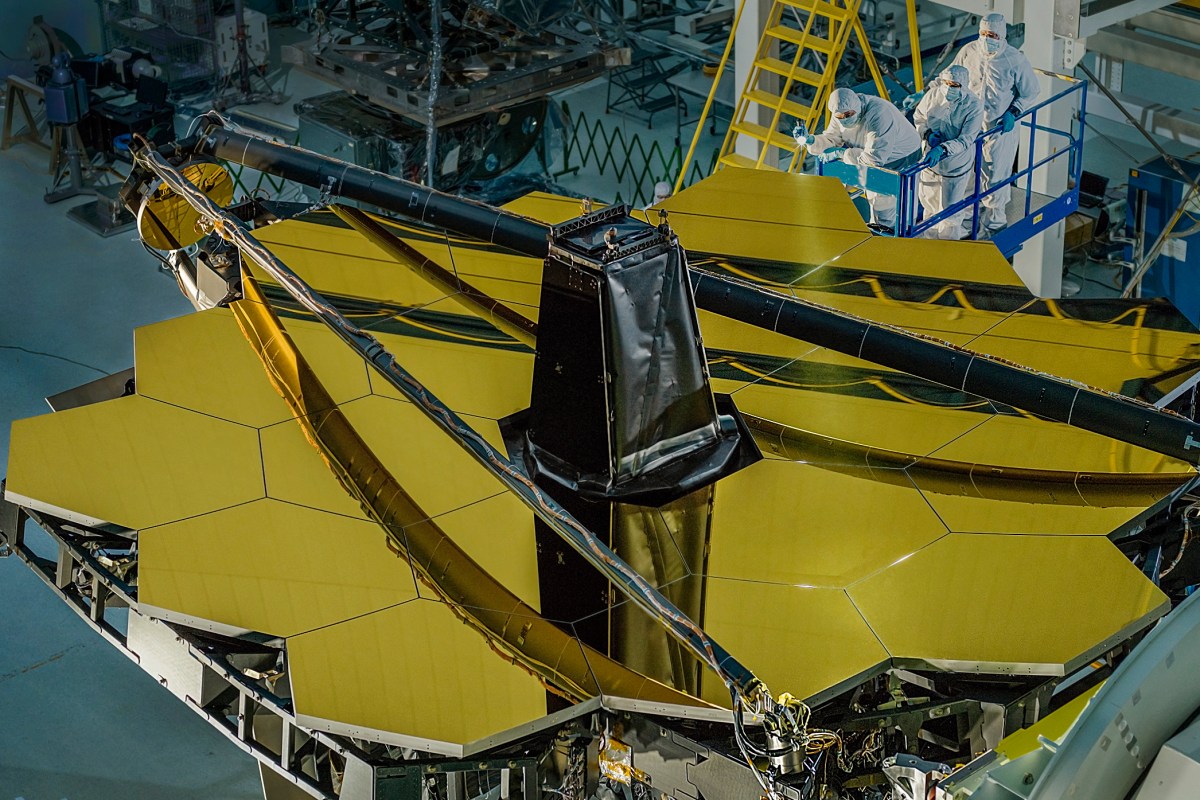
Explore HERA SurveyTelescope photographs illustrate the observing metaphor. SCOPE and HERA are independent of the pictured observatories and space missions; no affiliation or endorsement is implied.